
The Sympathy for the Russian Prisoners
All Quiet on the Western FrontPaul's growing empathy for the Russian prisoners, seeing them as fellow humans rather than enemies.
increasing Bearing strength in each event
 decreasing
Bearing strength in each eventdecreasingThe First Sight
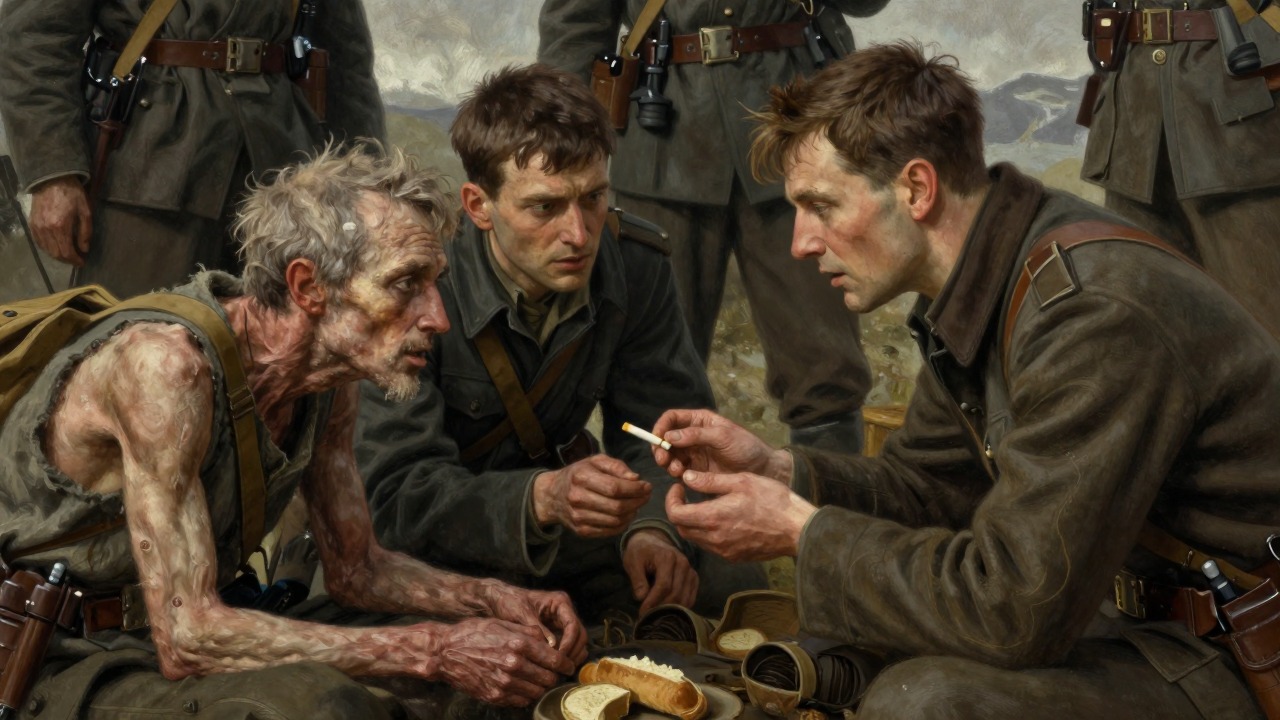
The First Sight
The Pitiful Figures
Paul sees the Russian prisoners for the first time. They are emaciated, listless, and begging for food. He feels a pang of sympathy.
The Exchange
He gives them cigarettes. They trade carvings for bread. The Germans are hard, but Paul is moved.
The Humanity
He sees that they are just like his own people, peasants and workers. The war has made them enemies, but they share the same suffering.
The Music of the Violinist
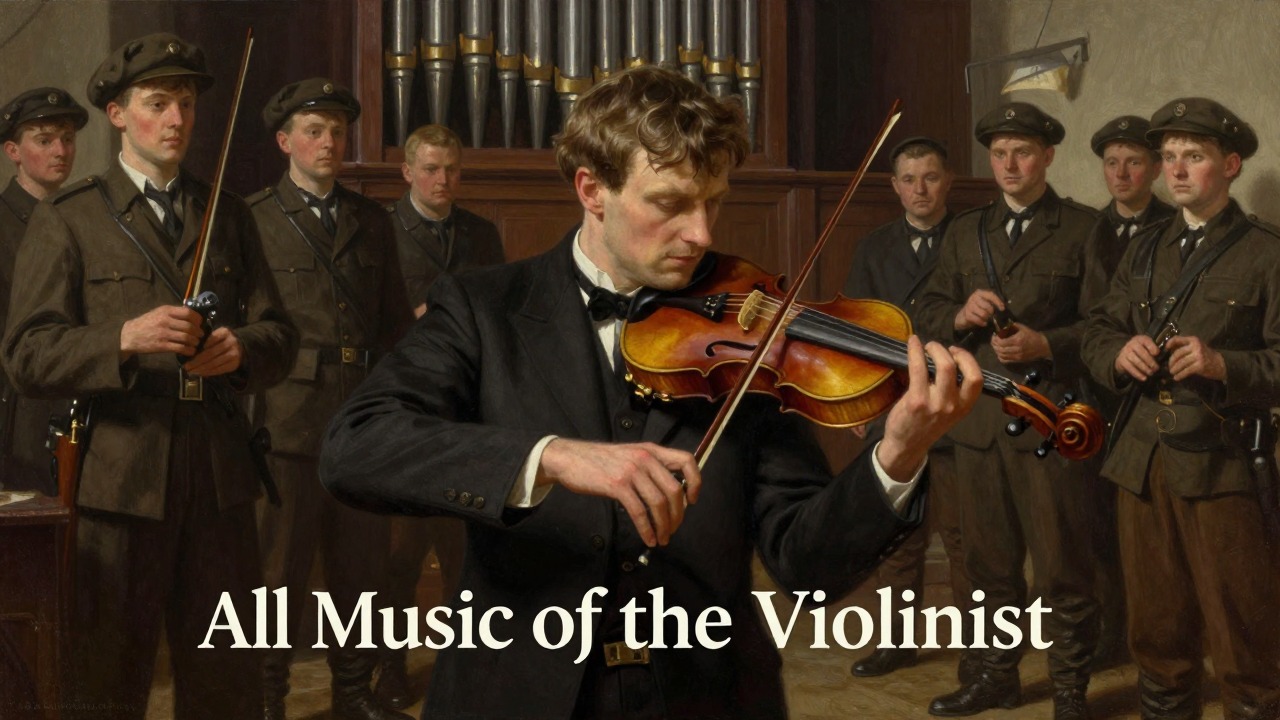
The Music of the Violinist
The Folk Songs
A Russian violinist plays folk songs. The music is hauntingly beautiful. Paul is transported to a world of peace.
The Communion
The prisoners hum along. The sound is like a distant organ. Paul feels a deep connection with them, beyond language and nationality.
The Melancholy
The music makes him sad. It reminds him of home and of the beauty that the war is destroying. The sympathy is a painful emotion.
The Farewell
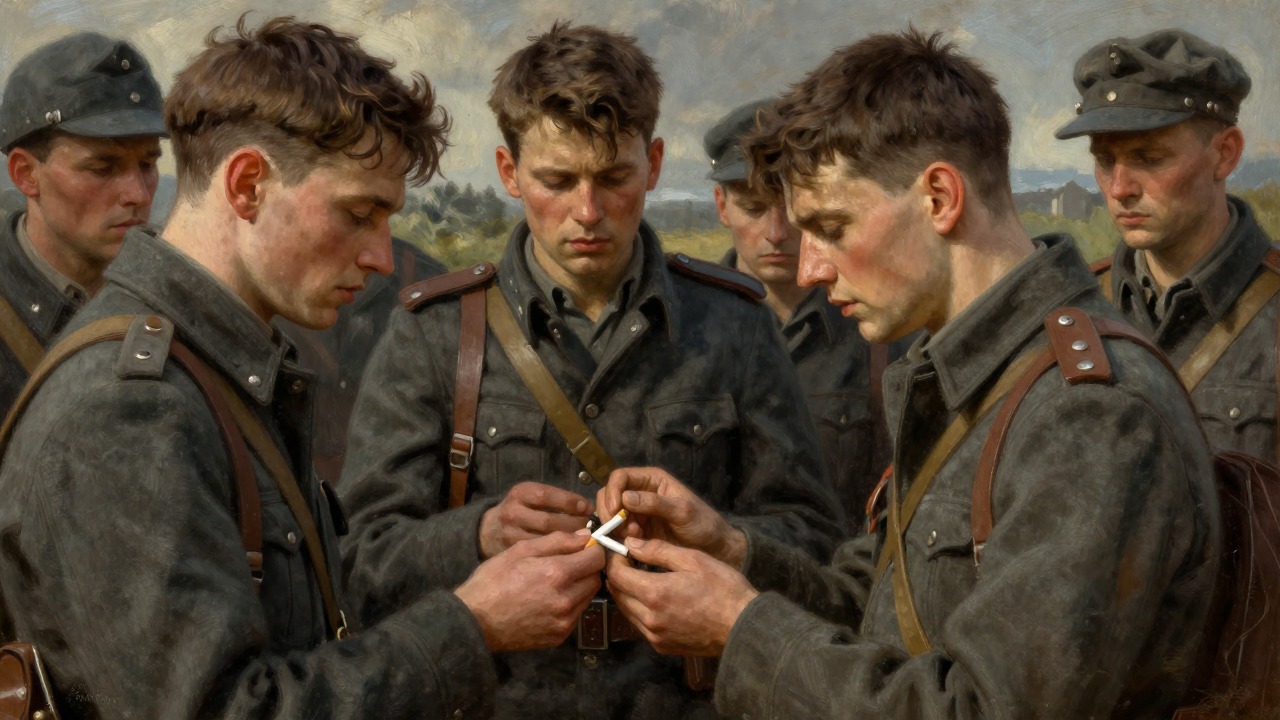
The Farewell
The Final Gifts
Paul gives the prisoners the rest of his cigarettes. He knows he will never see them again.
The Reflection
He thinks about the absurdity of war. These men are not his enemies. A word of command could make them friends.
The Promise
He vows to remember this feeling, to use it as a foundation for a better world after the war. But he is not sure he will survive to see it.
At the training camp on the moors
An evening at the camp
The last evening before Paul returns to the front
